
This article is part of our Get Fit for '26 series, in which our writers talk about the wellness and fitness challenges and experiences that are going to shape the year ahead. You can read all the articles in the series here.
If you don't have access to exercise bikes, barbells or even the best running shoes, but still want to start your fitness journey in 2026, there's always walking — the original workout. It’s the one form of exercise that’s always been accessible, intuitive, and sustainable, long before the concept of “fitness” even existed. And despite the rise of high-intensity training, smart gyms, and AI-driven coaching or fitness apps, walking remains one of the most effective and versatile ways to improve your health.
You can walk to build strength (rucking), burn fat (incline walking), or simply clear your head after a long day (every single walk). Science continues to back what our ancestors knew instinctively: consistent movement at a steady pace supports everything from cardiovascular fitness to mental clarity. Whether you’re chasing step counts on a smartwatch or taking ten mindful minutes outdoors, walking endures: not because it’s trendy, but because it works.
Here are seven ways to tailor a stroll to your goals, whether you're after weight loss, mental clarity, muscle tone or all of the above.
1. Rucking: turn a stroll into strength
All over the world, military fitness experts have a knack for turning a simple task, like walking, into something surprisingly tough, like rucking. Also known as tabbing or yomping in military vernacular, rucking is the deceptively simple act of walking with a weighted rucksack.
It delivers cardiovascular benefits and builds strength in your legs, glutes and back, and can be a worthy substitute to running or sprints. This Journal of Clinical Medicine study found that walking with a weighted load can improve muscle power and functional ability in the lower limbs by approximately 10%.

2. Power walking: Upping the intensity for cardio benefits
Power walking turns walking into a more purposeful, pace-driven exercise. By walking fast enough to elevate your heart rate into the aerobic zone—typically around 4–5.5 mph—you're not just covering ground, you're engaging your legs, glutes and core in a way that boosts cardio fitness, supports fat loss and improves posture.
Research from Harvard University indicates that faster walking produces greater health benefits when compared to slower paces. You can set a virtual pacer on a fitness watch (check out our best running watch and best fitness tracker lists here), which will alert you if you're walking too fast or too slow.
3. ‘Japanese walking’: a viral interval training technique transforming posture
If you prefer your exercise methodology dictated by what’s gone viral on social media, then take a second to explore ‘Japanese walking’. Otherwise known as ‘Nihon Aruki’, it’s a simple concept: alternate between three minutes of fast and three minutes of slow walking, ideally for 30 minutes at a time.
This moderately high-intensity, low-impact routine aims to boost your aerobic capacity while improving both physical elements, like gait and posture, and mental ones, such as mindfulness and a sense of calm.
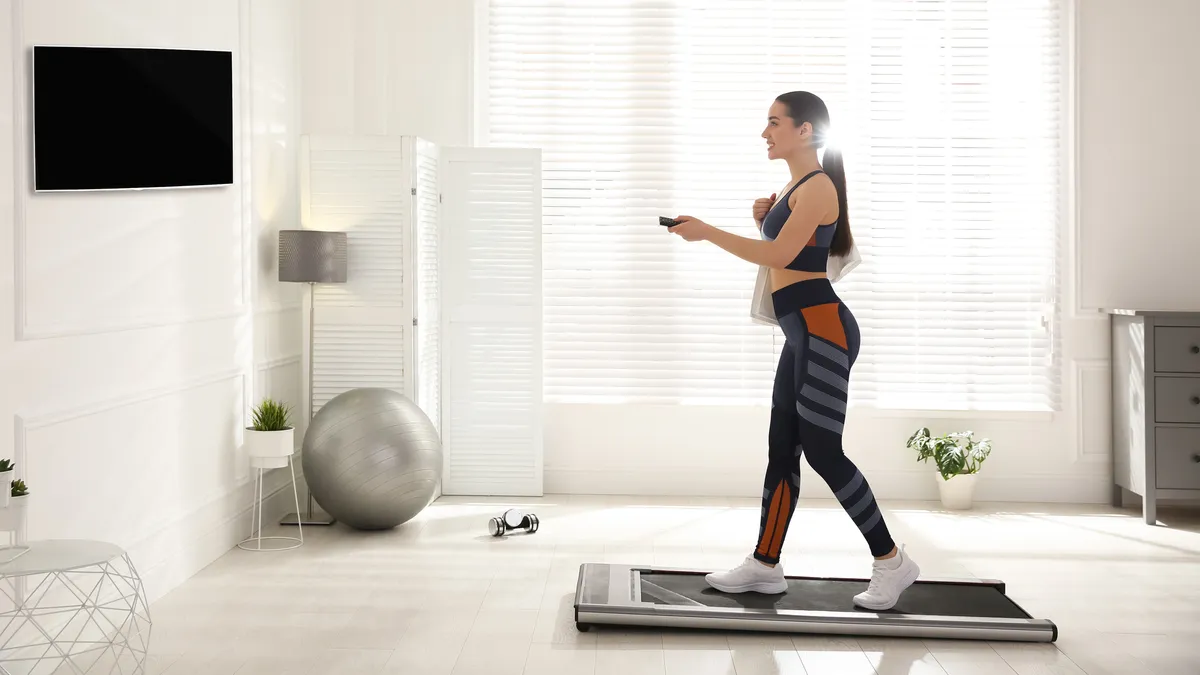
4. Incline walking: Up the gradient and your calorie burn
All forms of walking are not made equally, incline walking especially so. However, that doesn’t mean it needs to be complicated. Almost any slope will do to get started with incline walking, and you can adjust your pace, load, intervals, and incline to target different muscles as you see fit.
If you’d rather use a treadmill, you’ll be able to adjust it to around five per cent, 10 per cent, and 15 percent inclines. Once you do so, this ACSM study confirmed that you’ll scorch through approximately double the calories when at 10 per cent, compared to the same speed on a flat surface.
5. Mindful walking: Boost mental health with movement
Give your steady-state exercise a more introspective edge with mindful walking. Rather than zoning out or rushing to hit a step count, this approach encourages you to tune into your breath, the rhythm of your stride, and the sensations around you. It’s a simple way to reduce stress, sharpen focus, and create a pocket of calm in an otherwise busy day.
To get started, slow your pace, put your phone away, and spend a few minutes noticing your surroundings with deliberate attention, gradually increasing from five minutes to longer walks as it begins to feel more natural.

6. Shorter walking intervals: mix speeds to supercharge stamina
By alternating bursts of faster walking with slower recovery periods, interval sessions help elevate your heart rate without tipping you into full-on running territory. It’s an efficient way to build endurance, burn more calories, and keep your sessions engaging. Start with 30–60 seconds of faster walking followed by an easy minute, then extend the intervals as your fitness improves.
7. The 12-3-30 workout: A viral treadmill trend that actually works
Try the 12-3-30 treadmill trend that actually works
This viral routine is as straightforward as it sounds: set the treadmill to a 12% incline, walk at 3 mph, and stick with it for 30 minutes. The steep gradient raises your heart rate quickly, strengthening your legs and glutes while delivering a solid low-impact cardio workout.
If you're new to it, begin with a lower incline or shorter duration and build up gradually.
Follow TechRadar on Google News and add us as a preferred source to get our expert news, reviews, and opinion in your feeds. Make sure to click the Follow button!
And of course you can also follow TechRadar on TikTok for news, reviews, unboxings in video form, and get regular updates from us on WhatsApp too.
You must confirm your public display name before commenting
Please logout and then login again, you will then be prompted to enter your display name.