
Listen well, folks. Repeat after me: I must not buy RAM. Buying RAM is the mind-killer. Buying RAM is the little-death that brings total obliteration. I will face my lack of RAM. I will permit it to pass over me and through me. And when it has gone past I will turn the inner eye to see my PC. Where the RAM shortage has gone there will be nothing. Only I will remain.
Yes, the RAM crisis is in full swing right now, with prices skyrocketing as demand spikes due to AI datacenters needing massive amounts of High Bandwidth Memory (HBM). I've been following the situation closely, and it's been shocking to see the shift in consumer pricing; a DDR5 kit that might've cost $60 to $100 earlier this year is now likely to drain your wallet to the tune of $300 or more.

But I'm not panicking, and you shouldn't either. Things are bad right now, I won't dispute that, but as a seasoned tech journalist and PC builder, I've seen this kind of thing before. Remember the COVID chip shortage? The GPU chaos caused by crypto mining back in 2022? Graphics card prices were truly out of control back then, but have largely stabilized since (except for high-end GPUs like the Nvidia RTX 5090). Hell, back in 1995 the Kobe earthquake caused a massive bump in RAM prices since Kobe was a major hardware distribution center.
What I'm getting at is this: the present situation is just the latest in a long series of bumps in the road for the PC-building community, and I want to urge restraint right now. Please don't panic-buy that DDR5 kit for four times its original value; that price will come down again in time, and unless your desktop has actually exploded, you can probably manage just fine with the hardware you have for now.
The root causes
It's important to consider that the current explosion of AI spending isn't the only reason why RAM is in such short supply right now. We're in the midst of a massive industry shift from an old memory standard: even though DDR5 RAM was introduced to the consumer market more than four years ago, the process of transitioning the entire computer hardware industry from DDR4 has been a gradual and challenging process.
Looking back, it took more than two years for DDR4 itself to reach anything approaching widespread adoption, and that memory standard entrenched itself more than previous DDR3 or DDR2 RAM. You can pretty easily still find DDR4-compatible products (not just memory, but processors and motherboards) for sale at major component retailers, and even budget laptops sporting DDR4 memory aren't an uncommon sight today.
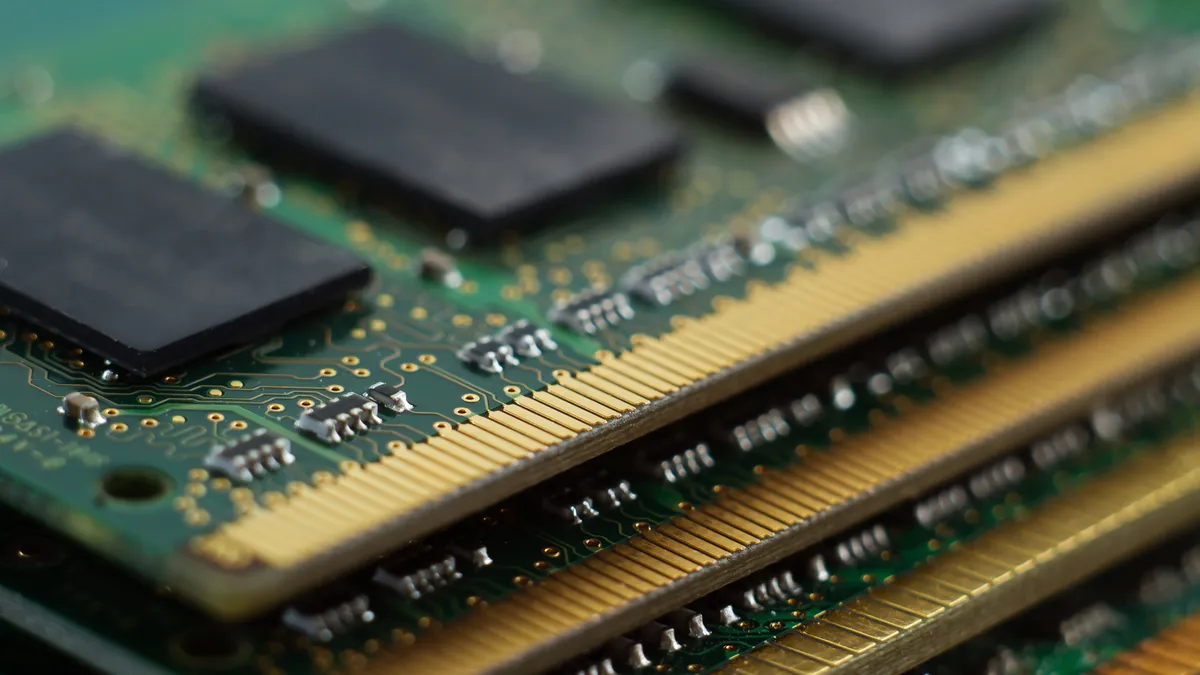
Because of this slow adoption process, memory manufacturers haven't been able to simply leap forward and shift their entire production process to DDR5; there's still a demand for DDR4 RAM kits, as PC builders typically upgrade their rigs piecemeal, with the motherboard often being the component that goes the longest without a replacement (since it typically demands a concurrent upgrade of your CPU and perhaps other components as well). I myself am still rocking a 32GB DDR4 kit with my AMD Ryzen 7 5800X3D processor.
Granted, those solid specs mean I'm in no rush to upgrade, and not everyone will be lucky enough to be in my position. If you're trying to refit a desperately outdated desktop or building a brand-new PC from scratch, I feel your pain - but I beg of you, bear in mind that buying RAM at the current ludicrously inflated prices will only validate those price hikes in the eyes of sellers.
We've not had the worst of it
Industry analysts have actually suggested that the desktop PC space may not even be the worst-affected area. Phones and laptops (especially more affordable ones) are expected to be hit hard by the RAM shortage in the first half of 2026, as manufacturers struggle to fulfil orders for more powerful devices. Microsoft may have encouraged a recent shift to 16GB of RAM as the new standard for laptops, but we're probably going to see a lot of 8GB models in the immediate future.
The good news for PC builders is that since desktop RAM was hit first, it's likely to be the first to recover. In a recent interview, Edward Crisler (the PR manager of GPU manufacturer Sapphire) claimed that "within six to eight months, we're going to see the market begin to stabilize," and urged PC gamers, "don't buy because you have to buy. Put your money away. Relax. Play some games. Enjoy the system you've got right now."
It's a sentiment I wholeheartedly agree with, though Crisler did note that GPU prices are likely to rise in 2026 (since the current situation directly affects the industry price of VRAM for graphics cards too). At the end of the day, most of us in the PC-building game might want to upgrade, but probably don't need to upgrade. There are plenty of useful hacks for boosting your performance that don't require new components, too.
Looking for alternatives
If you are in a situation where you need a new gaming PC yesterday and are genuinely considering plumbing the troubled depths of the RAM market right now, there are other options you ought to consider.
It looks like the shortage hasn't significantly impacted the price of the best gaming PCs yet, so that's one potential avenue. Gone is the era when building your own system was always the cheapest option; many pre-builts these days offer excellent value for money, and might even work out cheaper than DIYing a PC right now. Of course, it's likely that we'll see the knock-on effects of the RAM crisis in the pre-built PC market early next year, which has even led to some on the TechRadar team contemplating a move to console gaming instead. Even as a die-hard PC gamer, I can't really dispute the value for money offered by the PS5 right now.
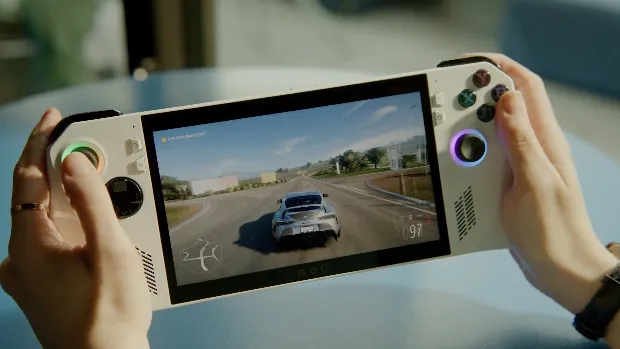
Another alternative is to opt for a gaming laptop instead. Many of these systems offer power rivalling that of desktop gaming PCs, and can effectively function as a desktop replacement system (especially if you already have a monitor, keyboard, and mouse set up). I'd personally recommend a handheld gaming PC if you only want a device for PC gaming - I own an Asus ROG Ally, and I love it.
Ultimately, though, the best advice I can give is the same as Edward Crisler's: just wait it out. As any market analyst worth their salt will tell you, it's not a question of whether the AI bubble will burst, but when. This sudden demand for RAM will wane - we're just going to have to be a little patient.

You must confirm your public display name before commenting
Please logout and then login again, you will then be prompted to enter your display name.