
The best 120Hz 4K TVs are essential for gamers, movie lovers and sports fans. That's because the combination of 4K resolution and a 120Hz refresh rate brings improved clarity and smoothness to whatever you're playing or watching.
A 120Hz refresh rate on a TV means you’ll not only see things much more clearly in motion, but you'll see faster response times, which is crucial for competitive gamers – the best 120Hz TVs dominate our list of the best gaming TVs for these reasons. This guide also has 144Hz TVs, which can be useful for PC gaming, but also all support 120Hz.
We test the best 120Hz TVs with the latest gaming consoles to make sure they work as intended, and we use specialized equipment to measure the input lag – it's not about what manufacturers claim, but about what you get in real life. We also check their image quality, naturally – everything still needs to look great!

I'm TechRadar's TV specialist writer, and I've tested everything from budget 32-inch TVs up to the world’s most elite OLED TVs – and I've used that experience to craft this guide, along with input TechRadar's AV editors. Before joining TechRadar, I worked for several years at a leading AV retailer, dealing with everything from Bluetooth speakers to custom home theater installations.
2 January 2026
We switched out a lot of our recommendations for newer models, based on recent testing and reviews. For example, we replaced the LG C4 as our best TV overall and for most people with the newer LG C5. We also switched out the Sony Bravia 8 for the Bravia 8 II as our choice for PS5. We added the Samsung S95F as our new best premium OLED pick. We also replaced the LG B4 with the new LG B5 as our cheap choice. The Samsung QN80F took the place of the Samsung Q80D as our mid-range recommendation. Finally, the Hisense U75QG became our new best budget choice.
The best 120Hz 4K TV you can buy
Why you can trust TechRadar We spend hours testing every product or service we review, so you can be sure you're buying the best. Find out more about how we test.
The best 120Hz TV for most people


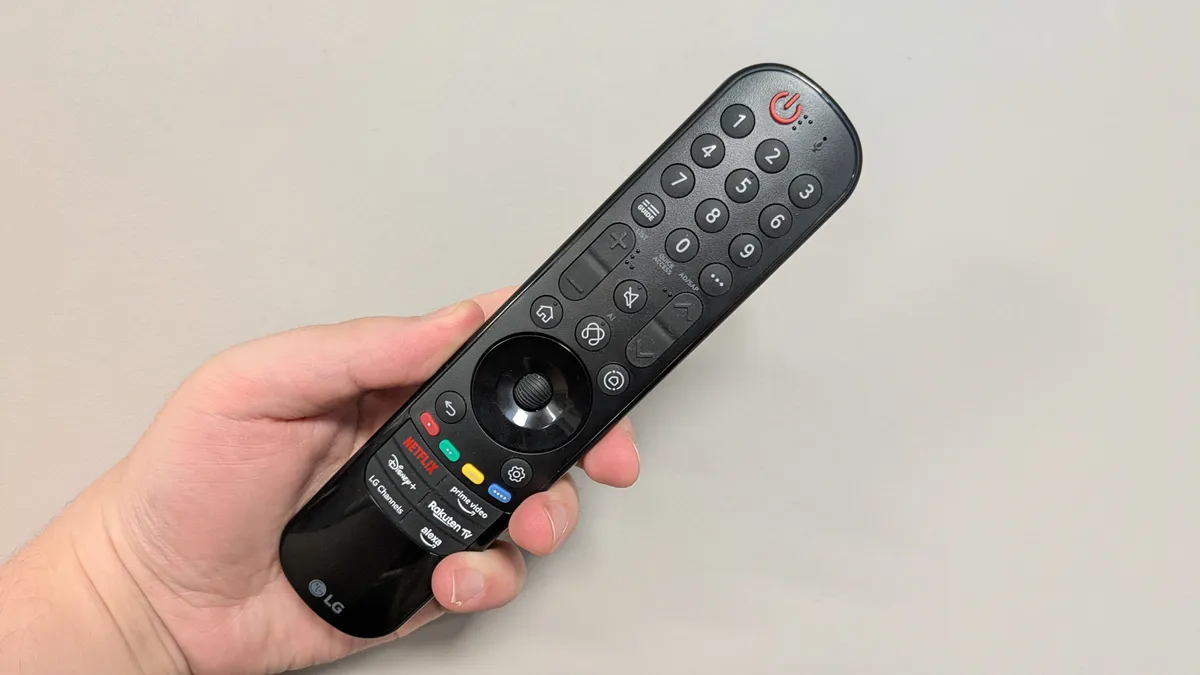


✅ You want fantastic picture quality: The C5 boasts vibrant colors, amazing contrast and realistic detail. It feels much more premium than it should.
✅ You want great gaming support: Four HDMI 2.1 ports, Dolby Vision gaming, up to 144Hz refresh rate and a Game Optimizer are just some of the C5's gaming features.
❌ You have the LG C4: If you liked the C4 you might be wondering if it's worth upgrading and we're here to tell you that it's not.
❌You need powerful built-in audio: The LG C5's 2.2-channel sound system isn't as immersive as what you'll get with some other TVs.
The LG C5 is the best all-round 120Hz 4K TV you can buy right now. It continues the LG C-series tradition of delivering premium OLED performance but at a mid-range price, with a few upgrades over last year’s C4. The new Alpha 9 Gen 8 AI Processor brings a brightness bump and more advanced AI tools for picture, sound and smart features, while the wide range of sizes makes the C5 a great fit for almost any space.
Picture quality is fantastic. The OLED Evo panel delivers rich, accurate color, excellent contrast and life-like features, with peak brightness hitting around 1,180 nits in Filmmaker Mode – a clear improvement on the C4. Upscaling is impressive and motion handling is generally strong with a quick tweak or LG’s TruMotion settings, which made fast action and sports look smooth and clean. Reflections can be an issue in bright rooms, but the C5 performs well in dimmer environments.
Gamers get everything they need, 4K 144Hz, FreeSync Premium and Nvidia G-Sync, ALLM and Dolby Vision gaming, and four HDMI 2.1 ports. Input lag measures a low 9.2ms and gameplay feels fast, fluid and responsive. Add in cloud-gaming apps, like GeForce Now and Amazon Luna, and it’s easily one of the best gaming TVs of the year.
LG’s webOS 25 is intuitive and now more personal thanks to new AI features, like AI Concierge recommendations, and picture and sound tools that help tailor the TV to your preferences. The revamped Quick Cards keep apps tidy, and Voice ID lets different family member switch profiles automatically.
Sound quality is fine but not great. The 2.2-channel Dolby Atmos system is clear and punchy, but bass is limited, and you’ll want a soundbar for more immersion. Design-wise, the C5 looks clean and modern, with a slim frame and pedestal stand. There’s also a sleeker Magic Remote, but not in all regions. Now, it’s not flashy, but it feels premium.
The LG C4 that came before it is now discounted and still excellent. But the C5’s brightness boost, improved processor and upgraded AI tools make it a stronger buy overall. For gaming it’s excellent, but it’s also a great choice for movies and everyday streaming as it really does hit the sweet spot better than anything else at this price.
Read our full LG C5 OLED TV review
The best value 120Hz TV


✅ You want a strong all-rounder at a low price: The U75QC isn’t perfect, but its combination of brightness, color accuracy and features is impressive at this price.
✅ You have several gaming devices: With four HDMI 2.1 ports that support 165Hz, it’s a great choice if you’re juggling multiple consoles and a PC.
❌ You want flawless gaming performance: Although this TV is feature-rich, VRR does introduce some smearing that more competitive gamers may notice.
❌ You need good built-in sound: Audio is really clear but limited. If you want cinematic sound, you’ll need a soundbar.
The Hisense U75QG is a standout budget option that overdelivers for the price. It’s a big upgrade over last year’s U7N, bringing a huge boost in brightness, better processing and more extensive gaming support, too. With both Dolby Vision and HDR10+ on board, an anti-reflection screen, and four HDMI 2.1 ports that go up to 165Hz (or 288Hz at 1080p), it’s one of the most feature-packed mid-range TVs you can buy right now.
There’s fantastic picture quality here. The U75QG’s mini-LED display reached over 3,000 nits in our HDR testing, a level that outshines many flagship sets and makes it perfect for bright rooms. SDR accuracy is excellent out of the box, while HDR does show some minor issues with color accuracy and temperature, though not enough to distract during normal viewing. Local dimming delivers deep blacks, with only light blooming around moving highlights. Off-angle viewing is the main compromise, colors wash out and blacks lift once you’re more than 30-degrees off-center.
Gaming performance is impressive for the money. All found HDMI 2.1 ports support 4K 165Hz, VRR with FreeSync Premium Pro, Dolby Vision gaming, and a dedicated Game Bar for quick tweaks. Input lag is a low 9.8ms and responsiveness is great, though PC gamers may notice some smearing with VRR enabled.
Google TV runs smoothly and remains one of the most intuitive smart platforms available. Navigation is quick, settings are easy to access with backlit remote, and there’s support for all major apps plus a wide range of niche streaming services. A built-in ATSC 3.0 tuner also makes it a solid option for over-the-air broadcasts.
Sound quality is fine but average. The 2.1.2-channel system has clear dialogue and a bit of bass, but the up-firing speakers don’t add much height, and most people will want to pair it with a soundbar. The design is functional with a sturdy pedestal stand, a slightly chunky frame and well laid out connections.
Overall, the Hisense U75QG is exceptional value. It’s brighter than most TVs in its class, packed with gaming features, and benefits from frequent Hisense discounts. It’s an easy recommendation for anyone who wants top performance without the high price tag, which is why it’s our best budget pick.
Read our full Hisense U75QG review
Best mid-range 120Hz TV


✅ You want vivid and dynamic color: The QN80F's biggest strength is its color performance, which is vibrant but still natural.
✅ You want a great gaming TV: There's a full suite of gaming features here, including 4K 144Hz and four HDMI 2.1 ports.
❌ You need Dolby Vision gaming: Like all Samsung TVs, the QN80F unfortunately doesn't support Dolby Vision.
❌Your room gets a lot of glare: The TV's screen can be reflective, and in bright rooms that's not ideal.
The Samsung QN80F is a feature-packed, mid-range mini-LED TV that gives you many of the strengths of Samsung’s pricier models at a more affordable price. It’s bright enough for daytime viewing, packed with gaming features, and runs an improved Tizen 9.0 platform – though its reflective screen and inconsistent motion handling keeps it from being in the top spot in this guide.
Colors are bold and natural, detail is refined and contrast is generally strong here. With full-screen brightness hitting impressive levels for bright rooms. However, peak HDR brightness can be lower than rivals, and the standard gloss screen tends to reflect light easily, which can be distracting in darker scenes. Upscaling is solid with HD content, giving streamed shows and older movies a welcome boost in sharpness, though lower-resolution sources don’t look as good.
Gaming is a huge strength in the QN80F. It offers 4K 144Hz, FreeSync Premium Pro, ALLM, HDR10+ gaming and ultra-low 9.9ms input lag across four HDMI 2.1 ports. Samsung’s Gaming Hub also gives you access to cloud gaming apps, making it a great fit whether you’re using a console or not. Samsung’s Tizen 9.0 is snappy and more refined than previous versions, with customizable hubs, AI-enhanced picture and sound tools, and access to major streaming apps.
Sound quality is average. There’s a 30W, four-channel speaker system, which supports Dolby Atmos and produces clear dialogue. But bass is limited and the soundstage feels narrow. AI sound modes do help with clarity, but movie lovers will need a soundbar. Design-wise, the QN80F is clean and simple with a fairly chunky rear panel and a central pedestal that can make placing a soundbar tricky.
Overall, the Samsung QN80F is a strong mid-range TV that’s perfect for gaming with vibrant color, smooth performance and a polished smart platform. Though it is worth mentioning that it’s a fairly affordable pick but not the best value considering there’s fierce competition at this level.
Read our full Samsung QN80F review
The best cheap 120Hz OLED TV


✅ You want OLED gaming for cheaper: With a full suite of next-gen gaming features and snappy responsiveness, it's a great choice for gaming.
✅ You want gorgeous picture quality: The B5 delivers punchy colors, deep contrast and impressively life-like detail.
❌ You have a bright room: The B5's modest brightness and reflective screen mean dark scenes struggle in bright spaces.
❌You want great built-in sound: Audio lacks bass and impact. A soundbar will significantly improve the overall experience.
The LG B5 is LG’s entry-level OLED for 2025. Now, it doesn’t move far beyond last year’s B4. But it does still deliver excellent picture quality and a strong overall feature set, especially considering its affordable price, which is why it’s our top cheap pick. Its detailed textures, rich contrast and accurate, vibrant colors make movies look far more premium than you’d expect from an entry-tier model, even if the reflective screen is better-suited to dim rooms.
Although it’s a solid TV for movies, it’s gaming where the B5 shines the most. With four HDMI 2.1 ports supporting 4K 120Hz, VRR (AMD FreeSync Premium, Nvidia G-Sync and HGiG), ALLM and Dolby Vision gaming plus a low 9.1ms input lag, it delivers fast, responsive performance that rivals much more expensive OLEDs, making it a top-tier gaming choice.
LG’s webOS 25 brings you one of the best smart TV experiences available, especially with new AI tools onboard, like AI Search, AI Concierge for recommendations, and AI Picture and Sound Wizard features that add helpful personalization options.
Sound quality is only okay. The 20W, two-channel system produces clear dialogue, and AI Sound Pro does a good job at widening the soundstage, but bass is limited and to appreciate cinematic content you’ll really need to add a soundbar. The design of the panel feels way more premium than it should for an entry-level OLED, with sturdy metal feet and LG’s updated Magic Remote – but only in some regions.
The B5 is very similar to the B4, which you’ll now find for much less. But the B5 is still a compelling and affordable OLED with excellent gaming performance and impressive picture quality where it counts.
Read our full LG B5 review
The best premium 165Hz OLED TV


✅ You want a premium OLED gaming experience: Smooth, responsive performance, loads of gaming features and stunning image quality – it's a fantastic gaming OLED.
✅ You want to play in bright rooms: The S95F's OLED Glare Free 2.0 coating tames reflections brilliantly, so it performs well in all lighting environments.
❌ You want the best value gaming TV: It's a flagship OLED with a price to match, so yes it's fantastic but not for those on a budget.
❌ You want Dolby Vision for your games: As with all Samsung TVs, the S95F sadly doesn't support Dolby Vision.
The Samsung S95F is one of the best premium OLED TVs you can buy, especially if you want to place it in a really bright room. Its OLED Glare Free 2.0 screen dramatically cuts reflections without washing out contrast, while the updated QD-OLED panel here delivers exceptional brightness, rich contrast and some of the most vivid HDR color you’ll see on a TV – it’s easy to recommend as our top premium pick.
Gaming support is top-tier. With 4K 165Hz, VRR with AMD FreeSync Premium Pro, ALLM and HDR10+ gaming, Samsung’s excellent Game Hub and an ultra-low 9.5ms input lag, the S95F is an incredible choice for console, PC and cloud gaming. It’s one of the most responsive, fully-featured gaming TVs of 2025.
Samsung’s Tizen 9.0 platform is smoother and smarter than before, with new AI tools, better recommendations and a cleaner menu system. The One Connect Box is here, keeping ports off the TV itself and allowing for a super slim, premium design that’s ideal for mounting on a wall.
Sound quality is surprisingly strong for such a thin TV. The 4.2.2-channel system delivers punchy, accurate sound with clear dialogue and decent bass, though the soundstage can feel narrow and Atmos height effects are muted compared to a soundbar.
The S95F is expensive, and the lack of Dolby Vision could frustrate some of you. But the combination of glare-free viewing, incredible brightness, excellent gaming chops and a refined design make it a genuinely excellent TV.
Read our full Samsung S95F review
The best premium 120Hz mini-LED TV


✅ You want one of the best mini-LED gaming experiences: The QN90F is easily one of the best choices if you like your picture bright and colorful and want the gaming performance to match.
✅ You want to play in bright, daytime conditions: The QN90F has a very bright picture, and its anti-glare screen is effective at eliminating reflections.
❌ You want the cheapest mini-LED TV for gaming: The QN90F's premium features come with a premium price tag, and it has many more affordable rivals, including the Hisense U7N on this list.
❌ You want Dolby Vision gaming: The QN90F, like all Samsung TVs, doesn't support Dolby Vision HDR, which is bad news If you're an Xbox Series X owner.
The Samsung QN90F is the definition of a premium mini-LED TV for gaming. It combines a bright picture with ultra-responsive gaming, and its anti-glare screen makes it perfect for gaming in bright rooms.
The Samsung QN90F has a complete set of gaming features, with four HDMI 2.1 ports that support 4K 165Hz, VRR (AMD FreeSync Premium Pro included), ALLM and HDR10+ gaming. It also comes with Samsung's Gaming Hub, a useful portal for all things gaming, including cloud gaming apps.
The QN90 has an ultra-low 9.5ms input lag time. That means you get the kind of ultra-responsive performance you'd expect from one of the best gaming TVs of 2025.
Picture quality is superb on the QN90F. its high brightness, detailed colors and solid contrast work well for both gaming and movies. And Samsung's Glare Free 2.0 screen effectively eliminates reflections when gaming or watching TV or movies in bright lighting conditions.
Read our full Samsung QN90F review
An ideal 120Hz OLED TV for PS5


✅ You have other Sony devices: It can act as a central channel when paired with Sony soundbars and speakers.
✅ You want a quality picture for your PS5: The Bravia 8 II comes with a 'Perfect for PS5' features that optimize picture quality when it detects a connected PS5.
❌ You want the full suite of gaming features: There's only two HDMI 2.1 ports, so although it's good for PS5 it's not the strongest gaming TV out there.
❌You want the best value OLED for gaming: The Bravia 8 II has a flagship price tag, you can find more affordable mini-LED TVs for less.
If you’re a PS5 owner, the Sony Bravia 8 II is one of the strongest 120Hz OLEDs you can buy. Its QD-OLED panel delivers the brightness boost that last year’s model lacked, with richer color and excellent contrast that makes PS5 games look incredibly cinematic. Sony’s anti-reflective screen also helps gameplay hold up better in brighter rooms than most OLEDs.
The Brave 8 II supports 4K 120Hz, VRR, ALLM, Dolby Vision gaming and Sony’s ‘Perfect for PlayStation 5’ features. Auto HDR Tone Mapping kicks in the moment a PS5 connects, and Auto Genre Picture Mode switches straight into Game mode, giving you optimal settings with zero effort. Input lag isn’t as low as LG or Samsung rivals, and there are only two HDMI 2.1 ports here, but for PlayStation-first setups, those aren’t dealbreakers.
Beyond gaming, picture quality is solid here. The Bravia 8 II’s colors look natural but punchy, shadow detail is excellent and Sony’s processing handles everything from older TV shows to 4K Dolby Vision movies with real finesse.
Sound quality is another big win here. The Acoustic Surface Audio+ system essentially turns the entire screen into a speaker, producing clearer dialogue and more accurate sound placement than most slim OLEDs. It can even act as a center channel with compatible Sony soundbars and speakers. If you want a 120Hz OLED that pairs beautifully with a PS5, both in features and overall presentation, the Bravia 8 II makes the most sense.
Read our full Sony Bravia 8 II review
Other 120Hz TVs we've tested
LG G4: Those looking for an alternative to the Samsung S95D with Dolby Vision gaming support may find the G4 to be ideal. LG's flagship 4K OLED for 2024 has four HDMI 2.1 ports support 4K 144Hz, VRR (AMD FreeSync and Nvidia G-Sync included), HGiG, Dolby Vision gaming and ALLM. We were thoroughly impressed with the gaming performance in our LG G4 review, but ultimately put the S95D on our list due to its impressive anti-reflection screen that makes it perfect for daytime gaming.
Panasonic Z85A: This is lovely TV for movies fans, but as our Panasonic Z85A review digs into, the LG C4 beats it when it comes to price vs performance and features for a mid-range OLED, especially since it has 4K 120Hz support on only two of its four HDMI 2.1 ports.
Panasonic Z95A: Panasonic has joined the fray with its own excellent 120Hz TV options. The Panasonic Z95A serves as an alternative to the Samsung S95D, with a superb list of features including 4K 144Hz, VRR (AMD FreeSync and Nvidia GSync), ALLM and more, but it's missing from this list due to its high price tag, and the fact that the full power of these features is served to only two of the four HDMI 2.1 ports.
Load the next products...
Philips OLED809: A very impressive mid-range OLED TV with great picture quality and solid built-in sound, as well as 4K 144Hz, VRR, ALLM, Dolby Vision gaming and more for excellent gaming. Our Philips OLED809 review emphasized all these points, but what we love most is the Ambilight tech, that spreads light matching the picture over the wall and makes it feel like you have a much bigger TV. However, it's available in the UK only, and the LG C4 is better from a pure bang-for-buck perspective, in no small part because it has 4K 120Hz on all four HDMI ports, which the Philips doesn't.
Philips OLED909: This is like the OLED809 mentioned above, but has the higher-end MLA panel to match the LG G4, so offers bright and more beautiful pictures. Our Philips OLED909 review explains that it's a stunning TV, and Ambilight is marvellous, but again the limited ports for gaming features compared to the price hold it back.
Sony Bravia 9: If you want a super-bright TV for gaming, look to Sony's flagship TV for 2024. Its superb backlight control and high brightness combine for excellent contrast that makes next-gen graphics pop, and it has a special HDR mode for PlayStation 5. The sound is also immersive enough to add an extra layer to your gaming, as our full Sony Bravia 9 review gets into. It misses out on the list due to its very high price tag, but if you have the money and a PS5, it's worth it.
Amazon Fire TV Omni Mini-LED: An excellent option for those looking for a budget 120Hz TV, Amazon's flagship model is well equipped for gaming, with great picture quality and a competitive price, as we said in our Amazon Mini-LED review. It does have stiff competition from Hisense, TCL and Samsung, with those options carrying more features or a cheaper price tag, and that's the main reason why the Omni Mini-LED didn't make our list.
TCL C855: Another mini-LED with a stack of gaming features, the TCL C855 demonstrates excellent picture quality, including better-than-expected contrast and even punchy built-in sound, as we noted in our TCL C855 review. Its gaming performance doesn't quite top some of the other TVs on this list, but it's still a great TV.
How to choose the best 120Hz TV
Choosing the best 120Hz TV for you isn't too different from choosing any other TV – it just means that you've settled on one crucial element already (whether you want a 60Hz screen or a 120Hz screen), which means you'll be buying more from the premium end of things.
But the other questions remain open. For example, do you want an OLED or an LED TV? We've written a an OLED vs LED vs LCD guide that covers the tech types in depth, but in summary, LED has a backlight whereas OLED pixels produce their own light.
OLED might seem like the better, cooler type of tech – and in many ways it is – offering excellent contrast and viewing angles, but you might get better brightness and/or a cheaper price with an LED or mini-LED TV. Response times do tend to be better with OLED TVs, too, which means if you're after the best TV for gaming, we'd usually suggest you pick OLED – unless you play during the day in a bright room, in which case one of the best mini-LED TVs would be preferable.
HDMI 2.1 ports are very important, because this is what's required to receive a 4K 120Hz signal from your console. All 120Hz TVs will include at least two, but some LG and Samsung TVs comes with four HDMI 2.1 ports, and if you're a hardcore gamer who'll own multiple consoles, we strongly recommend choosing one of these.
Admittedly, some players may not notice a drastic difference when they first use a 120Hz TV with a next-gen console, but we think that refresh rates are crucial for certain games. For example, you'll really be able to see a difference in fast-paced shooters or racing games, where quick reflexes and frame pacing counts.
It might seem like an obvious consideration, but bear size in mind when you're looking for a new 120Hz 4K TV. If you're going to be using it as your main screen, you'll need to be sure it fits into the space you have available. If it'll be in a second room specifically for gaming, you might not want to go for the biggest available size but instead choose a small display, such as the LG C4, which is available at 42 inches.
And don't forget sound. A lot of TVs don't have great built-in speakers, but some are better than others. If you'll play mostly with a headset, then that's no problem either way. If you already own one of the best soundbars, or are happy to buy one, then that solves the problem too. But if you don't want any extras, look out for TVs we've mentioned as including great audio.
120Hz panel: why does it matter?
Do refresh rates really matter enough to justify buying a new television set? We'd argue that without an advanced television, the upgraded hardware in your new Sony or Microsoft console becomes superfluous. All that power won't translate into better performance unless your TV can support it.
Hertz, or refresh rate, determines the number of frames that your television can display per second. Because both the PS5 and Xbox Series X can generate 120 frames per second (fps) in 4K UHD resolution, you need a television panel that works up to 120 Hertz to make that mode work.
An older 4K TV likely can only support 60Hz/4K. That worked perfectly well with the Xbox One X and PS4 Pro, both of which could hit 60fps in 4K for some games.
With a higher refresh rate in 4K, you'll see a smoother and sharper output on the television with less nauseating motion blurring when you turn the camera quickly in-game. This is particularly handy for fast-paced shooters where you need to turn on a dime and react quickly to threats. But the visual boost from increased frames isn't limited to any one genre of game.
Several of our top picks feature a 144Hz refresh rate. This isn't an essential upgrade over 120Hz in our opinion – read our guide to whether 144Hz TVs are a big deal for why – but the option is there for hardcore PC gamers who might want to try it.
HDMI 2.1: What does it do?
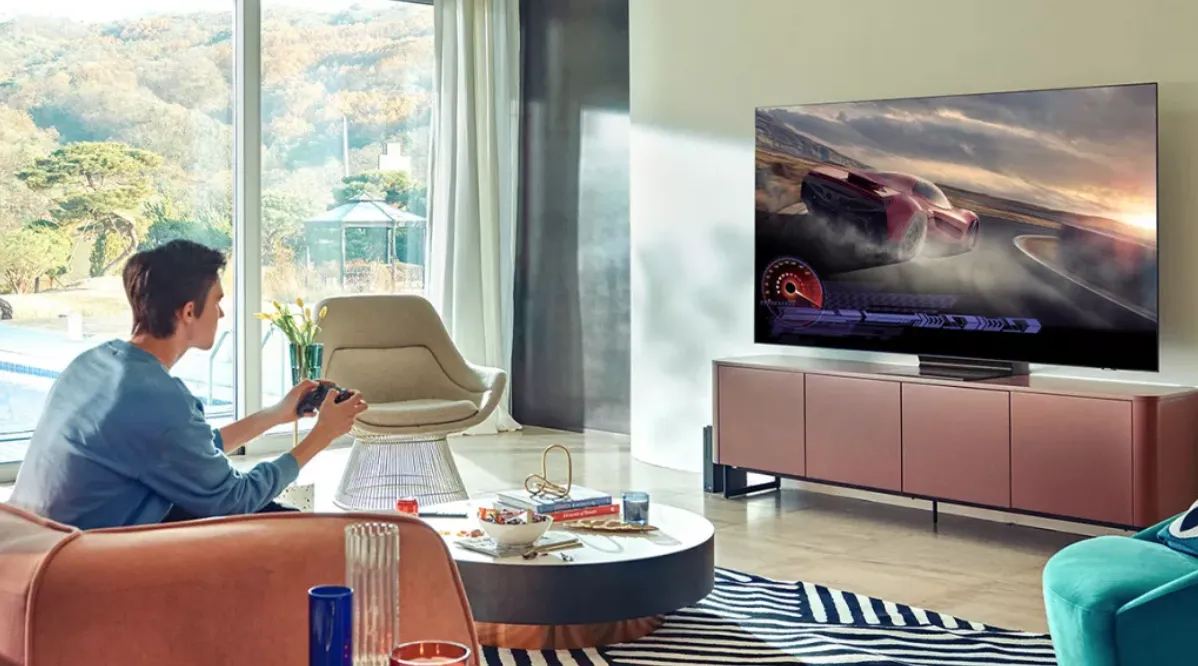
HDMI 2.1 is a more powerful data transfer standard that improves your television's capacity to handle high refresh rates and resolutions simultaneously. That said, this new standard also adds two other important gaming features by default: Variable Refresh Rate (VRR) and Auto Low Latency Mode (ALLM).
VRR is a tool that enables your TV to automatically adjust its Hz based on the output from your gaming console. While the Xbox Series X and PS5 offer a 120Hz 4K maximum, individual games' frame rates will fluctuate and drop based on what's happening on screen. The more frames you drop, the more tearing and stuttering you'll see as the television tries to adjust.
With VRR activated, your television will adjust its refresh rate on the fly so it never deviates from the game's fps output. That way, even if the game performance is struggling, the gameplay will remain smooth and seamless.
As for ALLM, it detects when you're playing a video game and adjusts your TV settings on the fly to reduce input lag as much as possible. It's a simple but essential feature that ensures you don't need to switch manually from Game to Cinema mode over and over.
Here's the problem, though: the HDMI Forum recently changed the rules, meaning that HDMI ports can now be labelled as HDMI 2.1 even if they don't support all of these features. So you can't just look for 'HDMI 2.1' in the specs and know you're covered, you'll need to check for these features specifically.
For more on the differences between refresh rate, input lag and refresh time, read our guide: Input lag and monitor speed explained.
How we test the best 120Hz TVs
We review TVs with a range of different content. Of course, next-gen gaming takes priority in this guide, but we imagine you'll also want to know what movies and TV shows are like to watch as well.
In order to test the input lag, we use a Leo Bodnar 4K HDMI Video Signal Lag Tester, which sends a signal to the TV and measures how quickly that signal is visible using its own sensor. We use colorimeter to test the brightness levels and color accuracy of the TVs, in conjunction with a bit-perfect test pattern generator to create the images that are measured. We connect a latest-gen game console to ensure that features such as 4K 120Hz support, variable refresh rate, or Dolby Vision gaming work as expected.
As well as judging all of the key specs you need in a gaming TV, such as refresh rates and HDMI connection options, we're also looking for good picture quality, vibrant colors and viewing angles to suit all kinds of rooms.
Sound is less of a priority with most gaming TVs as you'll get the best experience from gaming headphones or a soundbar, but it's always good to know you'll get a decent built-in experience. Which is why we've also detailed what it was like to listen to these TVs without additional devices, too.
Because we've reviewed many TVs over the years – and many of the best gaming TVs – all of our testing isn't done in isolation, but takes into account what else is available, so we only recommend the options most worth your time.
The latest updates to this best 120Hz TVs guide
02 January 2026
We switched out a lot of our recommendations for newer models, based on recent testing and reviews. For example, we replaced the LG C4 as our best TV overall and for most people with the newer LG C5. We also switched out the Sony Bravia 8 for the Bravia 8 II as our choice for PS5. We added the Samsung S95F as our new best premium OLED pick. We also replaced the LG B4 with the new LG B5 as our cheap choice. The Samsung QN80F took the place of the Samsung Q80D as our mid-range recommendation. Finally, the Hisense U75QG became our new best budget choice.
10 June 2025
Replaced the Samsung QN90D with the Samsung QN90F due to the newer model's new anti-glare screen and improved gaming features.
10 March 2025
Added in gallery of images to every entry on the list. Added more models to the 'More TVs we've tested' section.
Read more updates
13 February 2025
Added the Samsung QN90D as the best premium 120Hz mini-LED TV.
16 January 2025
Replaced the Samsung S90C with the LG C4 as best 120Hz TV overall due to S90C's lack of availability. Removed the best TV for sizes category.
December 19 2024
Removed all Black Friday information. Updated the 'Also Consider' section to make it easier to browse which other TVs we recently reviewed, and why they didn't make it into this list.
November 20 2024
Added a Black Friday section at the top of this guide with info about the 120Hz TVs in this guide that we have seen an expect to get Black Friday deals.
October 24 2024
Updated the Also Consider section with more 120Hz TVs we've tested in 2024 that didn't make the list, but are still worth considering.
September 27 2024
Swapped the Sony A80L with the Sony Bravia 8 as the 'best 120Hz OLED for PS5'.
August 29 2024
Swapped the LG B3 for the LG B4 as 'best cheap 120Hz OLED'
August 1 2024
Swapped the Sony X90L with the Samsung Q80D and renamed the category from 'best mid-range for PS5' to 'best mid-range 120Hz TV'
July 5 2024
Swapped the Hisense U8K with the Hisense U7N as 'best value 120Hz TV'.
June 7 2024
Swapped the LG C3 for the LG C4 as the 'Best 120Hz TV for sizes'. The LG C3 is still a great TV and will be cheaper than the C4, but the C4's improved brightness and processing are perfect for 120Hz gaming, especially in brightly lit rooms, so we made the change.
10 May 2024
Swapped the Samsung S95C for the Samsung S95D as the 'Best premium OLED'. The S95C is still available, and great value after price drops, but the S95D's new Glare Free reflection-beating screen is really valuable for gaming in sunlit rooms, so we've replaced the old model immediately.
11 April 2024
Updated with testing results graphs, to make it easy to compare our TVs recommendations.
5 February 2024
Updated FAQ's section with 'TVs coming in 2024' to include info to what 120/144Hz TVs we're most looking forward to this year.
20 December 2023
Added in the 'Buy it if' boxes to give the pros and cons for each entry and how they relate to gaming.
10 November 2023
Replaced the LG B2, LG C2, Sony X90K with their 2023 equivalents, the LG B3, LG C3 and Sony X90L. Removed Sony A95K and 'best image quality' category and combined it with Samsung S95C, which became 'Best premium 144Hz OLED'. Hisense U8K became 'Best value TV' for both US and UK.
8 August 2023
Removed the Samsung QN85B. Replaced the LG C2 as 'Best for most people' with the Samsung S90C based on our reviews. Re-titled LG C2 as the best option for different size needs.
26 June 2023
Added this 'latest updates' section, to help readers see what recent changes have been made. Checked the products in the list against our latest reviews.
23 May 2023
Added more buying advice to the end of this guide, including more technical details. Checked all products against our latest reviews.
20 April 2023
Changed the structure of this guide to make it easier to navigate, and to find particular models that suit different needs. Added Samsung S95C to the list, and removed some models.
12 March 2023
Added TCL 6-Series Roku TV (2022) to the list, removed Hisense U7G.
Looking to save money on a Samsung product? Check out our Samsung discounts for the latest deals on top-rated tech and gadgets.